Backyard Garden Design: Tips for a Lush, Inviting Space

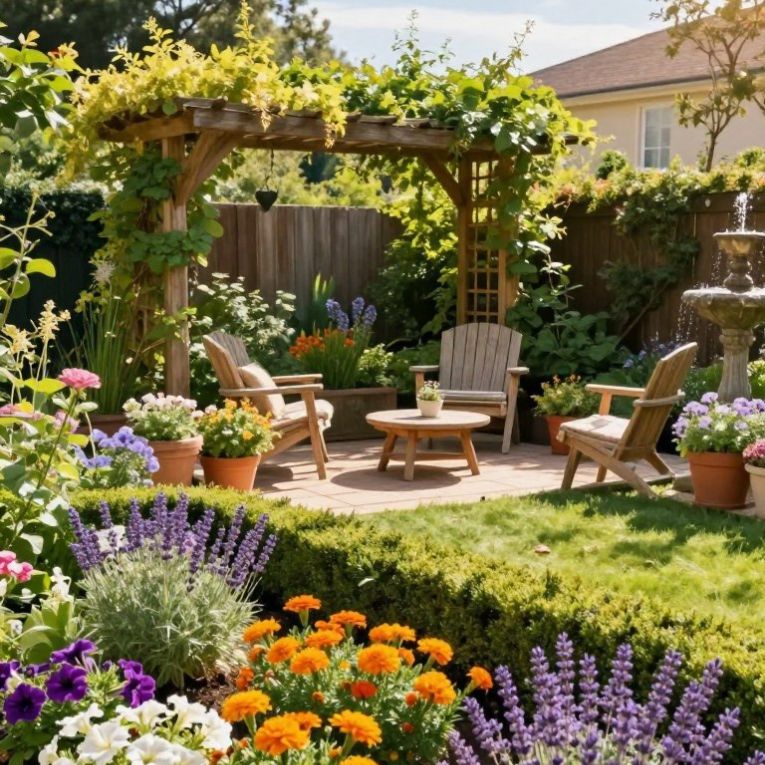
Your home is more than just four walls. A well-planned backyard garden design extends your living area. It's a peaceful spot for relaxation or a lively area for parties.

backyard garden design

Even a small outdoor living space can be a beautiful retreat. By mixing looks with use, you make a space that shows off your style.

Thoughtful planning makes sure your yard looks good with your home. Begin your path to a stunning landscape today.

Key Takeaways

  • Turn your yard into a useful part of your home.
  • Find a balance between beauty and function for fun.
  • Small spots can be big for relaxation.
  • Match your landscape with your home's look.
  • Start with a clear idea of what you want.

Assessing Your Space and Needs

Creating a great backyard garden design begins before you buy plants or mulch. First, watch how your yard works during the day and seasons. This step helps avoid mistakes and makes sure your garden does well.

backyard garden design

Evaluating Sunlight and Soil Conditions

It's key to know where the sun hits your yard. Spend a day to see which spots get full sun, partial shade, or deep shade. Plants that love light won't do well in dark spots, and ferns might get too hot in the afternoon.

Also, check how water moves in your yard to keep your soil healthy. If water stays in some places after rain, you might need a rain garden or better soil. Good soil is crucial for your garden's health and growth.

Defining Your Garden Goals and Lifestyle Requirements

Your small backyard landscaping should match your lifestyle. Think about if you need a play area for kids or a quiet spot for coffee. Knowing these needs helps you use your space wisely.

Balance how much work your garden needs with how much time you have. If you're busy, choose easy-to-care-for plants and less work areas. The table below helps you figure out your yard's needs for your design.

Site ConditionImpact on DesignRecommended Action
Full SunHigh energy for plantsPlant vegetables or sun-loving flowers
Poor DrainageRisk of root rotInstall raised beds or drainage pipes
High TrafficWear on lawn and soilAdd stone pathways or durable mulch
Shaded AreasLimited plant varietyUse shade-tolerant hostas and seating

Principles of Effective Backyard Garden Design

Creating a beautiful garden is all about planning. A well-thought-out backyard garden design turns any space into a peaceful retreat. By focusing on key elements, you make sure every part of your garden has a purpose.

backyard garden design

Utilizing Scale and Proportion

Scale and proportion are key to a harmonious garden. In small backyard landscaping, big furniture or plants can overwhelm. Choose items that fit your space to keep things flowing smoothly.

Vertical gardening is great for small spaces. It makes your garden feel bigger by drawing your eye up. Use walls, trellises, and hanging planters to add depth.

Creating Focal Points and Visual Interest

A great garden needs a standout feature. This could be a sculpture, a colorful tree, or a water feature. These elements bring order and visual interest all year round.

Place these features where you can see them from your favorite spots. Use different textures or colors to make them pop. This guides your eye and keeps your garden interesting.

Understanding Balance and Symmetry

Good garden layout ideas balance shapes and weights. You can use symmetry for a formal look or asymmetry for a more relaxed feel. Garden zoning helps separate areas, like dining from reading, without dividing the yard.

Design PrinciplePrimary GoalBest Application
ScaleProportional sizingSmall backyard landscaping
Focal PointVisual anchorHighlighting key features
ZoningFunctional separationOrganizing activity areas
SymmetryOrder and harmonyFormal garden paths

Selecting the Right Plant Palette

A well-chosen plant palette can turn a simple yard into a stunning masterpiece. By picking the right plants, your outdoor space stays lush and sustainable all year. Knowing how to mix textures and colors is key to mastering color theory in gardens.

native plants and color theory in gardens

Choosing Native Plants for Local Resilience

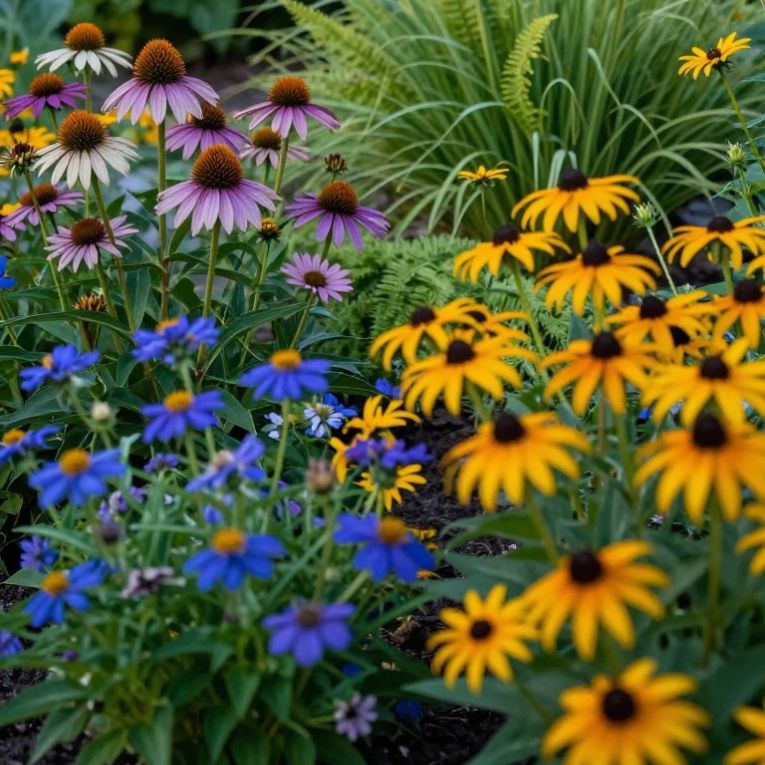
Using native plants in your garden is a smart choice. They thrive in your local climate and soil, needing less water and fertilizer. They also help local pollinators and wildlife.

For a garden that's easy to care for, mix native plants with ornamental grasses. This combo adds year-round structure and movement. Choosing local plants makes your garden strong against pests and diseases.

Layering Heights for Depth and Texture

Good garden design uses plant layers for depth. Start with tall shrubs or small trees at the back. This creates a cozy feel.

In the middle, add medium-sized perennials and flowering shrubs. Use low-growing plants at the front to soften the edge. This tiered approach makes your garden look full and lush.

Incorporating Color Theory in Your Planting Scheme

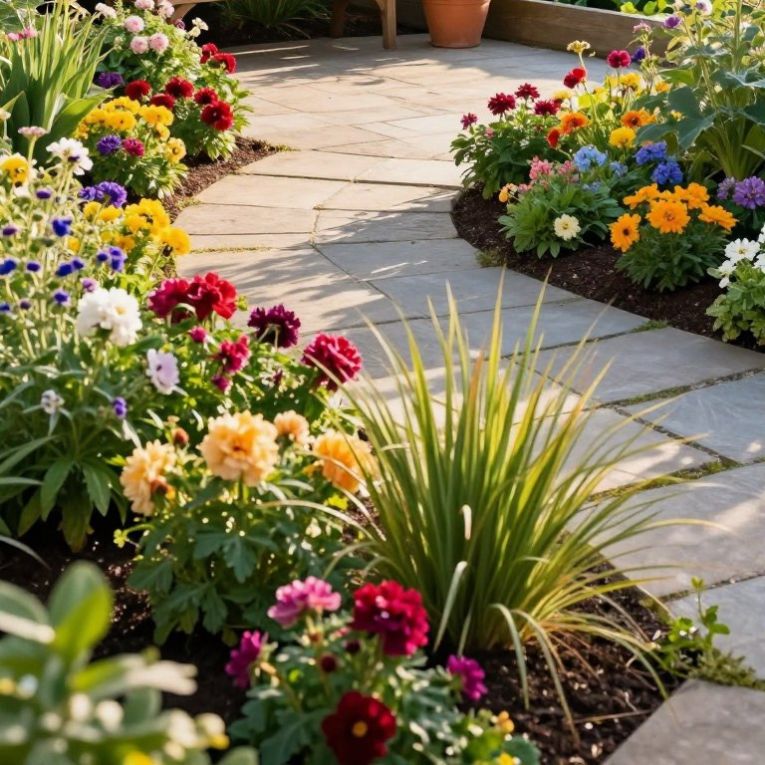
Using color theory in gardens sets the mood of your space. You can go for a single color for calmness or opposite colors for energy.

Think about color warmth too. Warm colors like red and yellow make a space feel cozy. Cool colors like blue and purple make it feel bigger.

Hardscaping Elements for Structure and Flow

You can make your outdoor space better by adding hardscaping. This makes your garden look good and easy to move around. It keeps your garden neat and easy to get to all year.

By mixing hard surfaces with soft plants, you make a place that looks good and feels welcoming.

Choosing Durable Materials for Pathways and Patios

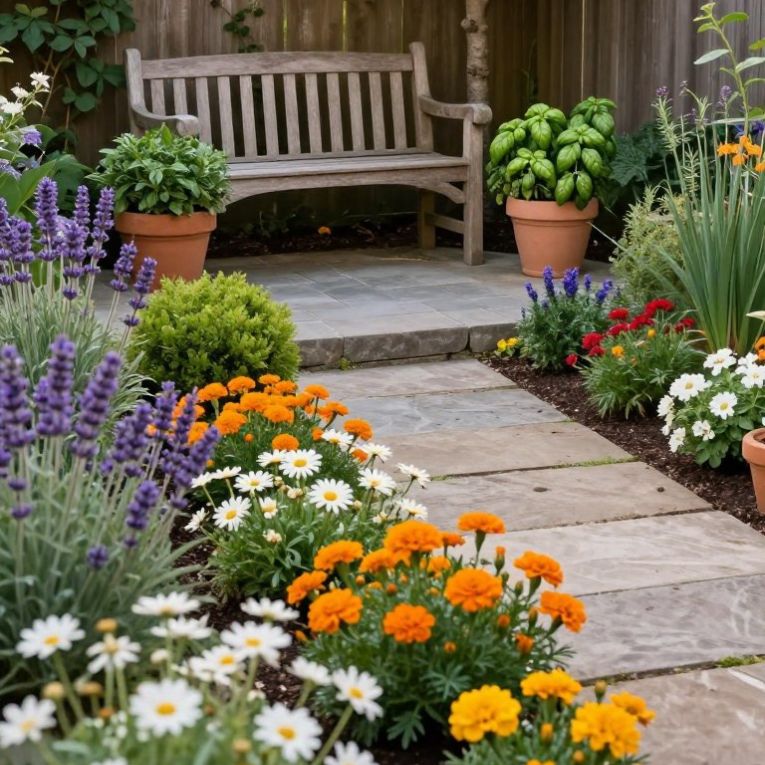
Choosing the right hardscaping materials is key for lasting beauty and strength. Go for materials like natural stone, pavers, or concrete that can handle your area's weather. For a cheaper option, mix concrete slabs with pea gravel for interesting textures and bigger patios.

This mix not only looks good but also helps water drain in busy spots. Consistency in your choice makes your backyard feel connected, from your house to the garden.

Integrating Retaining Walls and Vertical Structures

Retaining walls are a must for uneven yards. They stop soil from washing away and make planting areas even. You can also use vertical gardening to make small spaces look bigger.

Trellises, arbors, and wall planters let you grow vines or herbs without taking up too much space. These vertical features turn plain walls into green walls, making your outdoor area more interesting.

Designing Functional Edging to Define Garden Beds

Edging is the last step to keep your garden looking neat. It keeps grass out of your flower beds and makes mowing easier. Choose from steel, brick, or stone for a clean look.

MaterialBest UseDurabilityMaintenance
Natural StonePathwaysHighLow
Concrete PaversPatiosHighMedium
Pea GravelFillersMediumMedium
Metal EdgingBed BordersHighLow

Good vertical gardening and smart hardscaping make your backyard a great place to relax. By picking quality hardscaping materials, you create a space that lasts for years.

Incorporating Water Features and Lighting

You can make your outdoor space more magical with water sounds and soft light. These features turn a simple backyard into a charming retreat. They make your garden beautiful and useful, even when it's dark.

Selecting the Perfect Water Feature for Your Space

Water features add a calming sound that blocks out city noise. You can pick from small fountains for patios or big ponds for large lawns. These features are eye-catching garden focal points that make your garden lively.

Think about how easy it is to care for your feature and how big your yard is. A self-contained fountain is great for those who don't have a lot of time. Make sure the water feature matches your yard's style for a unified look.

Strategic Lighting Techniques for Evening Ambiance

Good outdoor lighting techniques make your yard usable at night. By using different lights, you create a cozy and safe place for dinner or relaxation. Path lights guide guests, while spotlights highlight your favorite garden focal points.

Strategic placement is key for a professional look. Don't overdo it with light, as shadows add depth. By lighting up textures and details, you create a warm, welcoming space that feels like part of your home.

Creating Functional Zones for Relaxation and Dining

Functional zones turn your lawn into a sophisticated outdoor living area. By dividing your yard into specific spots, you create a versatile outdoor living space. This way, every square foot of your property adds value and enjoyment.

Designing Comfortable Seating Areas

Your backyard seating areas should feel like a natural part of your home. For smaller yards, consider built-in seating along the patio's edge. This design choice lets you fit more guests without cluttering the garden.

Choose furniture that's weather-resistant and durable. Arrange your chairs and sofas to face a focal point, like a fire pit or garden bed. This layout encourages conversation and makes outdoor time enjoyable.

Setting Up Outdoor Kitchens and Dining Spaces

An efficient outdoor kitchen design makes outdoor dining easy for hosts. Place your cooking station near the indoor kitchen for easier food transport. A good layout includes:

  • A durable grill or pizza oven for versatile cooking.
  • Ample counter space for food preparation and serving.
  • Integrated storage for utensils and cleaning supplies.
  • A dedicated dining table in a shaded, comfortable spot.

Adding Privacy Screens and Natural Barriers

Creating a secluded atmosphere is key for relaxation. Use privacy landscaping to block views from neighbors or streets. Tall hedges, like arborvitae or boxwood, offer a lush, green wall that also reduces noise.

For a more architectural look, consider decorative wooden screens or metal panels. These structures provide privacy and add a modern touch. Combining these with climbing vines creates a soft, natural barrier that beautifies your private retreat.

Sustainable Gardening Practices

You can turn your outdoor space into a lush haven by using sustainable gardening methods. This approach works with nature, not against it. It means your garden needs less chemicals and water, staying healthy and lively for years.

Implementing Composting and Organic Fertilization

Composting is key to better soil. Instead of throwing away kitchen scraps and yard waste, you can make them into a rich soil amendment. This natural fertilizer feeds your plants and makes the soil better.

Organic fertilization means no harsh chemicals. It helps your plants grow strong roots. This is a big part of sustainable gardening, keeping your garden healthy.

Attracting Pollinators and Beneficial Wildlife

Creating a garden that welcomes wildlife adds beauty to your home. Using native plants gives bees, butterflies, and birds food and shelter. They help keep your garden balanced and thriving.

You can also use privacy landscaping that helps wildlife. Dense hedges or flowering shrubs offer privacy and homes for birds. A well-designed garden is a haven for you and the environment.

FeatureTraditional ApproachSustainable Approach
Soil CareSynthetic FertilizersCompost & Organic Matter
Plant SelectionExotic VarietiesNative Plants
Pest ControlChemical PesticidesBeneficial Wildlife
Water UsageHigh ConsumptionXeriscaping & Mulching

Soil Preparation and Irrigation Strategies

Your garden's success starts with the soil beneath it. Flowers and foliage are beautiful, but the soil and water are key. Focus on soil health and smart watering to help plants grow well every year.

Improving Soil Health for Optimal Growth

Before planting, know your soil's makeup. Start with a soil test to check pH and nutrients. Amending your soil with compost or aged manure improves its structure and drainage.

Good soil holds nutrients and water. Adding organic materials boosts microbial activity. This helps roots absorb minerals, giving plants a strong foundation against pests and diseases.

Amendment TypePrimary BenefitBest Use Case
CompostAdds nutrientsGeneral soil enrichment
Peat MossRetains moistureSandy, dry soil
PerliteImproves drainageHeavy clay soil

Installing Efficient Drip Irrigation Systems

After preparing your soil, keeping it moist is crucial. A drip irrigation system is great for this. It waters the roots directly, cutting down on evaporation and preventing fungal diseases.

Setting up these systems is easier than you think. You can create a network of emitters and tubing from your outdoor faucet. With a timer, your garden gets the right amount of water, even when you're not there. This efficient approach saves time and water, making your garden beautiful and eco-friendly.

Seasonal Maintenance for Year-Round Beauty

Your garden will thrive with regular upkeep and care for plant health. By adopting sustainable gardening practices, your outdoor space stays vibrant all year. This makes it a welcoming retreat for everyone.

Pruning and Deadheading Techniques

Regular garden maintenance is key to a beautiful landscape all year. Pruning removes dead or sick branches. This helps your plants focus on growing new, healthy parts.

Deadheading, or removing old flowers, is also crucial. It stops plants from making seeds and encourages more blooms. This keeps your garden colorful all season.

Preparing Your Garden for Winter and Spring Transitions

As the weather changes, so do your garden tasks. In autumn, clean up debris and add mulch to protect roots from cold. This helps your plants survive the winter.

In spring, remove winter mulch and get your soil ready for new growth. This is a great time to check your plants and prune any damage. This helps them grow strong and healthy in the spring.

By sticking to these simple steps, your backyard will always be a source of pride. Consistency is the key to a garden that blooms and thrives all year.

Common Design Mistakes to Avoid

Designing a backyard is exciting, but common traps can ruin your work. Even the best small backyard landscaping plans can fail if you ignore basic principles. Spotting these mistakes early helps keep your outdoor space beautiful and functional for years.

Overcrowding Plants and Ignoring Growth Habits

Planting too many items in a small space without thinking about their size is a common error. Ignoring how big a shrub or perennial will grow can make your garden layout ideas messy. This forces you to prune a lot just to keep things clear.

Always check the final size of every plant before planting. Giving plants enough space helps them thrive and reduces the need for constant pruning. This is crucial for backyard seating areas, where you want to feel open, not trapped by too much foliage.

Neglecting Maintenance Accessibility

A beautiful garden needs regular care, but this can be hard if you can't reach all areas. Many focus too much on looks and forget about paths or gaps for garden maintenance. If you can't easily reach your plants, you might skip caring for them.

Think about how you'll move tools, mulch, or hardscaping materials through the space. Adding stepping stones or wider walkways makes routine tasks easier. Also, consider how your outdoor lighting techniques will light these paths, making it safe to move around at night.

Conclusion

Turning your yard into a lush, inviting space is a rewarding journey. It blends careful planning with your own creative vision. You have the power to shape a landscape that reflects your unique style and provides a peaceful retreat for years to come.

Integrating functional zones allows you to maximize every square foot of your property. You might choose to install soothing water features to create a calm atmosphere. These elements bring a sense of tranquility that transforms a standard lawn into a private oasis.

Consider how an outdoor kitchen design can elevate your hosting capabilities. This addition makes it simple to enjoy meals under the open sky with family and friends. A well-planned outdoor living space serves as an extension of your home, bridging the gap between indoor comfort and natural beauty.

Your garden remains an evolving project that grows and changes with you over time. Embrace the process of nurturing your plants and refining your layout as seasons pass. Start your transformation today to build a backyard that brings joy and relaxation to your daily life.

FAQ

How can I maximize a small outdoor living space using backyard garden design?

To make the most of a small backyard, use vertical gardening and smart zoning. Grow plants up on trellises and set up areas for relaxation. This makes your space feel bigger and more organized.

What environmental factors should I evaluate before I start digging?

Before starting, track the sun's movement in your yard and check for drainage problems. Knowing these helps keep the soil healthy and your plants happy.

Why is it important to choose native plants for my backyard?

Native plants fit your local climate and soil perfectly. They need less water and care, making your garden sustainable and easy to keep up.

How do I create a cohesive look using hardscaping materials?

Choose strong materials like Belgard pavers for paths and patios. Add edging and walls to define garden beds. This contrasts nicely with your greenery.

What are the best outdoor lighting techniques for evening ambiance?

Enhance your garden at night with layered lighting. Path lights for safety and spotlights from Lutron to highlight features or your home's details.

How can I incorporate a water feature into a compact garden?

For a small space, a wall-mounted fountain is perfect. It adds a calming sound without taking up much room.

What is the most efficient way to handle garden irrigation?

Use a drip irrigation system, like Rain Bird's, for the best results. It waters plants directly, saving water and promoting healthy growth.

How can I create a secluded atmosphere for al fresco dining?

For privacy, use tall hedges or screens. They block views from neighbors, making your dining area a private retreat.

What are some sustainable gardening practices I can implement?

Use compost and organic fertilizers to improve your soil. Choose plants that attract pollinators for a balanced ecosystem and a vibrant garden.

What is a common design mistake to avoid in backyard landscaping?

Avoid overcrowding and not considering plant size. Research plants like those from Proven Winners to ensure they have enough space to grow.

How do I maintain my garden's beauty throughout the seasons?

Keep your garden looking great with regular care. Prune and deadhead plants, and prepare for the seasons to change.

Hi, I’m Saad Durrani

I founded HomeDecorCozy more than 14 years ago, and I began sharing the ideas with people who wanted to make beautiful homes without spending too much money. The way I style has changed over the years, my designs are more sophisticated and the images are more inspiring- however, the mission is the same, stylish, practical, and affordable home decor in real life. At HomeDecorCosy, I present easy-to-follow and affordable-but-not-cheap decorating tips, which are tried in my house, designed in various rooms, and sharpened with time to make sure they really work. It can be cosy bedroom transformations, fancy living room additions, all ideas are planned to be affordable without spending too much. As a growing number of people read the magazine every month, I will be there to assist you in making your space a cozy, welcoming home, without the hassle or the high prices.

➡ Currently Update

Discover Smart Kitchen Ideas for Efficiency and Style

Discover Smart Kitchen Ideas for Efficiency…

For efficiency and style, check out some of these ideas for your smart kitchen. Your home’s heart is the kitchen,…

Minimalist Bathroom Tips for a Stylish Simple Space

Minimalist Bathroom Tips for a Stylish…

For a simpler, more stylish bathroom design, follow these minimalist bathroom tips. The first step to creating a cool and…

Transform Your Space with Modern Luxury Bedroom Decor 2026

Transform Your Space with Modern Luxury…

Refashion Your Room Using Top Quality Bedroom Designs 2026. Your bedroom should be more than just a place to sleep.…

➡ Living Rooms

Transform Your Space with High End Living Room Design

Transform Your Space with High End…

Transform Your Space with High End Living Room Design. Your home is a safe place that you retreat to or…

Stunning living room make over tips to refresh your space

Stunning living room make over tips…

How to have a stunning living room make over tips to refresh your space. Is your primary meeting place boring?…

23 Best Warm Earthy Living Room Ideas for a Calm Cozy Vibe

23 Best Warm Earthy Living Room…

23 Best Earthy Living Room Ideas to Create a Cozy Space. Home is where the heart is. It’s your retreat…

Stone Fireplace Styling Done Right Rustic Modern Living

Stone Fireplace Styling Done Right Rustic…

Home Decor: Styling Stone Fireplaces Done Right: Rustic Modern Living Room Ideas To Transform Your Home In the world of…

Scroll to Top